Showing posts with label Diversity. Show all posts

Hidden Shells of Balochistan: Exploring Land Snail Diversity Across the Province | InformativeBD

Diversity and distribution of land snails (Gastropoda: Mollusca) in the different sites of Balochistan Province, Pakistan

Shahab-ud-Din Kakar, Zafarullah, and Azmatullah, from the institute of Pakistan. wrote a Research Article about, Hidden Shells of Balochistan: Exploring Land Snail Diversity Across the Province. entitled, Diversity and distribution of land snails (Gastropoda: Mollusca) in the different sites of Balochistan Province, Pakistan. This research paper published by the International Journal of Biosciences | IJB. an open access scholarly research journal on Biosciences. under the affiliation of the International Network For Natural Sciences| INNSpub. an open access multidisciplinary research journal publisher.

Abstract

To study the diversity of land-snail fauna in the province of Balochistan, fourteen different sites were surveyed. Five land snail species were found as the Bradybaena similaris, Macrochlamys sequax, Zootecus insularis, Allopeas gracile and Zebrina detrita. Among these, the Zootecus insularis was showed a wide distribution and found in 8 of the total 14 surveyed sites. Followed by Bradybaena similaris and Macrochlamys sequax in 6 and 4 sites respectively in the province. On the other hand, Allopeas gracile and Zebrina detrita was collected from only site 1 but in different areas of the foresaid site which revealed the fact of their extinction in near future if immediate measures have not taken. The current study brought the present status and diversity of the land snail fauna into the pages of scientific record across the province as there is a dearth of reports about the diversity of land snail fauna in diverse provincial sites. Herein, this research offered first and detailed taxonomic description and distribution data of land snails’ fauna occurring in the province. Additionally, it might provide a way to carry out taxonomic studies about land snail fauna in the other provinces of the country.

Submit your article to IJB Journal

Read more Inside the Radish:Exploring Physiological and Anatomical Traits of Selected Varieties |InformativeBD

Introduction

Gastropoda is the most important class of the phylum Mollusca with the animals having well-developed head bearing tentacles, eyes and a large muscular foot which is helpful for crawling. Snails, limpets, and slugs are familiar members of this class (Boonngam et al., 2008). Most members of the class Gastropoda bears a protective coiled shell accept the slugs, which have no shell. Land snails entails of the two main groups’ the prosobranchs and pulmonates. Prosobranchs have hardened shells and opercula which cover the apertures or openings of shells. Pulmonates, lack opercula and used lung for gaseous exchange. They live under leaves, woodland litters, logs, stones and trash, gardens, on the soil, in the cracks and even beside the hill-slopes (Srihata et al., 2010). The temperature and moisture play a significant role in their occurrence and distribution. Some land snails serve as intermediate hosts of infectious trematodes and other parasites of animals and human beings. However, most of the land snails have an important role in the ecosystems in which they live: they contribute to litter decomposition and concentration of soil calcium and are an important food source for other animals (Lange, 2003). Their generally short life span (i.e. a few months or years) and their limited powers of dispersal make them excellent bioindicators (Watters et al., 2005). To vast diversity, the land molluscan fauna did not get much consideration until the current (Graveland et al., 1994). Previously little work has been carried out in the areas adjacent to Afghanistan and northern India by some authors (Solem, 1979; Subba, 1979) but very poor work has been done on land snails of Pakistan. The author (Pokryszko et al., 2009) reported the Pupilloidae of Pakistan during the summers of 1990- 1992. Although, there seems to be no information on the land snails of Balochistan province. This paper aims to provide an inventory of the land snail fauna along with a detail taxonomic description and distribution data of these snails in the different sites of the province.

Reference

Abbott RT. 1989. Compendium of the land shell, Melbourne, Australia. American Malacologist, p 420.

Annandale N, Prashad B, Starmühlner F. Edlauer A. 1919. The Mollusca Fauna of the Inland Waters of Baluchistan and Seistan. Records of the Indian Museum 18, 11-61.

Boonngam P, Dumrongrojwattana P, Matchacheep S. 2008. The diversity of land snail fauna in Chonburi Province, Eastern Thailand. Kasetsart Journal (Natural Science) 42, 256-263.

Brandt RA, Ram B. 1974. The non-marine aquatic Mollusca of Thailand. ARCH. MOLLUSKENDE; DTSCH.; DA. 105, p 427 BIBL. 10 P. 1/2. http://pascalfrancis.inist.fr/vibad/index.php?action=getRecordDetail&idt=PASCAL7650143241.

De Francesco CG, Hassan GS. 2009. The significance of molluscs as paleoecological indicators of freshwater systems in central-western Argentina. Palaeogeography, Palaeoclimatology, Palaeoecology 274(1-2), 105-113. https://doi.org/10.1016/j.palaeo.2009.01.003

EL‐SHOWK S, van Zweden JS, d’Ettorre P, Sundström L. 2010. Are you my mother? Kin recognition in the ant Formica fusca. Journal of evolutionary biology 23(2), 397-406. https://doi.org/10.1111/j.14209101.2009.01912.x

Feulner GR, Green SA. 1999. Freshwater Snails of the UAE. Tribulus 9(1), 5-9.

Graveland J, Van Der Wal R, Van Balen JH, Van Noordwijk AJ. 1994. Poor reproduction in forest passerines from decline of snail abundance on acidified soils. Nature 368(6470), 446-448. https://doi.org/10.1038/368446a0

Jahan MS. 1993. Some terrestrial and freshwater gastropods of Bangladesh with their ecological notes. University Journal of Zoology, Rajshahi University 12, 65-71.

Junqueira FO, Bessa ECA. 2004. Biology and behaviour of Bradybaena similaris (Ferrossac, 1821), Kept in different laboratorial conditions. Revista Brasileria de Zoociencias 6, p 265.

Lange CN, Mwinzi M. 2003. Snail diversity, abundance and distribution in Arabuko Sokoke forest, Kenya. African Journal of Ecology 41(1), 61-67. https://doi.org/10.1046/j.13652028.2003.00412.x

Muller OF. 1773. Vermivm terrestrium et fluviatilium, seu animalium infusoriorum, helminthicorum et testaceorum, non marinorum, succincta historia. Havniae et Lisiae 1(2), 74.

Naser MD. 2010. New record of the land snail Allopeas gracilis (Hutton, 1834) (Gastropoda: Subulinidae) from Basrah area, Iraq. Jordan Journal of Biological Sciences 147(613), 1-4.

Pokryszko BM, Auffenberg K, Hlaváč JČ, Naggs F. 2009, December. Pupilloidea of Pakistan (Gastropoda: pulmonata): truncatellininae, vertigininae, gastrocoptinae, pupillinae (In part). In Annales Zoologici 59, 423-458. Museum and Institute of Zoology, Polish Academy of Sciences.  https://doi.org/10.3161/000345409X484847

Prabhakar AK, Roy SP. 2008. Taxonomic diversity of shell fishes of Kosi region of North-Bihar (India). The Ecoscan 2(2), 149-156.

Preston HB. 1915. The Fauna of British India including Ceylon and Burma. Taylor and Francis, Red Lion Court Fleet Street; Bombay.

Solem A. 1979. Some mollusks from Afghanistan. FELDIANA, ZOOL.; USA; DA. 1, 95 p BIBL. 5 P. PASCALZOOLINEINRA8050259221.

Srihata S, Tumpeesuwan C, Tumpeesuwan S. 2010. Species diversity, abundance and habitats of land snails in a square kilometer on Phu No, Kalasin Province. Journal of Science and Technology Mahasarakham University 29(4), 359-371. http://thailand.digitaljournals.org/i

Stange LA. 2006. Snails and slugs of regulatory significance to Florida. Division of Plant Industry. Florida Department of Agriculture and Consumer Services 1-12.

Subba Rao NV, Mitra SC. 1979. On land and freshwater molluscs of Pune district, Maharashtra. Records of the Zoological Survey of India 75, 1-37.

Watters GT, Menker T, O’Dee SH. 2005. A comparison of terrestrial snail faunas between strip-mined land and relatively undisturbed land in Ohio, USA–an evaluation of recovery potential and changing faunal assemblages. Biological Conservation 126(2), 166-174. https://doi.org/10.1016/j.biocon.2005.05.005

Article sourceDiversity anddistribution of land snails (Gastropoda: Mollusca) in the different sites of Balochistan Province, Pakistan 

Winged Residents of the Mangroves: Understanding Avifauna Diversity in Misamis Oriental | InformativeBD

Factors affecting avifauna diversity in selected mangrove areas of Misamis Oriental, Philippines: Basis for conservation and management

Joly Bee A. Olila, and Richel E. Relox, from the different institute of Philippines. wrote a Reseach Article about, Woody Allies: How Chagga Home Gardens Sustain Insect Pollinators in Northern Tanzania. Entitled, Factors affecting avifauna diversity in selected mangrove areas of Misamis Oriental, Philippines: Basis for conservation and management. This research paper published by the Journal of Biodiversity and Environmental Sciences | JBES. an open access scholarly research journal on Biodiversity. under the affiliation of the International Network For Natural Sciences| INNSpub. an open access multidisciplinary research journal publisher. 

Abstract

Ecological and anthropogenic factors may influence the distribution and diversity of birds. This study assessed the avifauna and mangrove species composition, abundance, and diversity as well as the socio-economic and institutional conditions in three coastal ecosystems of Molugan, El Salvador City; Baybay, Alubijid and Tubajon, Laguindingan, Misamis Oriental. Point count and mist-netting methods were used to survey birds, quadrat method to survey mangroves, household survey to 212 respondents and Geographic Information System (GIS) in mapping birds, mangroves and human activities. Results showed a total of nine (9) Orders, 19 Families, 22 species and 1,168 individuals were documented in three selected areas. Baybay had the highest diversity index (2.46), followed by Molugan (1.96) and Tubajon got the lowest (1.70). As for the mangroves, five (5) species were recorded namely: Rhizophora mucronata, Sonneratia alba, Avicennia alba, Avicennia rumphiana and Rhizophora apiculata. However, continuing threats such as growing human population, land-use changes and weak management in the coastal ecosystems led to its unsustainability. Thus, the diversity of birds is highly dependent on the mangrove species and zonation and human activities in the coastal areas. Hence, regular monitoring of programs and policies by stakeholders to ensure sustainability and conservation of birds and mangroves species is recommended.

Submit your article to JBES Journal

Read moreWoody Allies: How Chagga Home Gardens Sustain Insect Pollinators in Northern Tanzania IInformativeBD

Introduction

The Philippine archipelago which is composed of 7,100 distinct islands (Ambal et al., 2012) is recognized as one of the 17 mega diverse countries which contain two-thirds of the earth’s biodiversity and about 70-80% of the world’s flora and fauna species. Avifauna refers to a group of birds that are found almost everywhere on the planet which shows great diversity by their habitat and geographical conditions (Tandan et al., 2015). Birds are valuable indicators of global patterns in biodiversity conservation (Mallari et al., 2011). Avifauna provides several ecological functions such as pest control, pollination, seed dispersal, and plant reproduction in thousands of economically and culturally important plant species through its consumption of several terrestrial, marine, and aerial resources (Whelan et al., 2015). The bird population is a sign of environmental changes as they respond fast to threats and changing environmental conditions (Mallari et al., 2011). However, few are aware of the importance of birds and are greatly affected by human development which leads to the loss of its species. Mangroves belong to a higher group of plants which may exist as trees, shrub, palm, herb, or fern (Primavera et al., 2004). It is a habitat of different avifauna species where they can hatch their eggs (Duke et al., 2007). Mangrove is the one that lessens the impact of tsunamis, hurricanes, cyclonic storms on human lives, properties and helps to prevents flooding and it is the one who catches the waste generated by humans (Danielsen et al., 2005). The mangrove habitat loss caused by deforestation, urbanization, salt production, conversion into paddy fields and aquaculture ponds, over-harvesting of timber and fuel wood, pollution, dumping of domestic sewage and crude oil exploration (Giri, 2011), and degradation has posed major threats to a wide array of fauna bringing them among the ranks of endangered and extinct species (Sandilyan et al., 2010). Thus, there is an urgent demand to examine the avifauna diversity inhabiting mangrove habitats to know the impact of disturbance for future conservation and management.

Reference

Abino AC, Castillo JAA, Lee YJ. 2014. Assessment of Species Diversity, Biomass and Carbon Sequestration Potential of a Natural Mangrove stand in Samar, the Philippines. Forest Science and Technology 10, 1.

Alemayehu F, Onwonga R, Kinyanjui M, Wasonga JO. 2014. Assessment of Mangrove Covers Change and Biomass in Mida Creek, Kenya. Open Journal of Forestry 4, 398-413.

Alviola GL, Del Rosario BI, Otadoy JB, Ibanez JC. 2010. Birds of Malagos Watershed, Southeastern Philippines. Asian Journal of Biodiversity 1(1).

Alviola GL, Mohagan A. 2017. Assessment of Bird Species in Central Mindanao University, Bukidnon, Philippines. Journal of Biology and Life Science Vol 8, No. 2. 2157-6076.

Ambal RGR, Duya MV, Cruz MA, Coroza OG, Vergara SG, de Silva N, Molinyawe N, Tabaranza B. 2012. Key Biodiversity Areas in the Philippines: Priorities for Conservation. Journal of Threatened Taxa 4(8), 2788-2796.

Ascaño II CP, Albutra QB, Ansigbat VV, Mugot DA, Demayo CG. 2016. Avifauna Assessment in and around the Hydraulic Mining Area of Brgy. Tumpagon, Cagayan de Oro City, Philippines. Journal of Scientific Research and Development 3(4), 83-90.

Branch FM, May J, Roberts B, Russell E, Clark BM. 2002. “Case studies on the socio-economic characteristics and lifestyles of subsistence and informal fishers in South Africa,” South African Journal of Marine Science 24, 439-462.

Cailing CAG, Caban JLS, Cultura, RKM, Relox RE. 2018. Relationship of Avifauna and Mangroves in Laguindingan, Misamis Oriental, Philippines. Journal of Biodiversity and Environmental Sciences 13(1), 216-222.

Calimpong DMT, Nuñeza OM. 2015. Avifaunal diversity of Bega Watershed, Prosperidad, Agusan del Sur, Philippines. Journal of Biodiversity and Environmental Sciences 6(4), 385-400.

Danielsen F, Sørensen MK, Olwig MF, Selvam V, Parish F, Burgess ND, Hiraishi T, Karunagaran VM, Rasmussen MS, Hansen LB, Quarto A, Suryadiputra N. 2005.      The Asian Tsunami: A Protective Role for Coastal Vegetation. Science 310(5748), 643.

Duke NC, Meynecke JO, Dittmann S, Ellison AM, Anger K, Berger U, Cannicci S, Diele K, Ewel KC, Field CD, Koedam N, Lee SY, Marchand C, Nordhaus I, Dahdouh-Guebas F. 2007. A World without Mangroves. Science 317, 41-42.

Ellison AM. 2015. Managing mangroves with benthic biodiversity in mind: moving beyond roving banditry. Journal Sea Research 59, 215.

Giliba RA, Boon EK, Kayombo CJ, Chirenje CI, Musamba EB. 2011. “The influence of socio-economic factors on deforestation: a case study of the bereku forest reserve in Tanzania,” Journal of Biodiversity, vol 2, pp. 31-39.

Giri C. 2011. Status and Distribution of Mangrove Forests of the World using Earth Observation Satellite Data. Global Ecology Biogeography 20, 154-159.

Harrison T. 1976. The food of Aerodramus mearnsi (Aves, Apodidae) at Niah Great Cave, in Borneo. F. Bombay Nat. Hist. Soc 71, 376-393.

Honda K, Nakamura Y, Nakaoka M, Uy WH, Fortes MD. 2013. Habitat Use by Fishes in Coral Reefs, Seagrass Beds and Mangrove Habitats in the Philippines. PLoS ONE 8(8).

Jin H, Wang Z, Ran S, Yun C. 2003. “Study on coastal resource evaluation theories and methods,” in Proceedings of the International Conference on Estuaries and Coasts pp. 9-11.

Kennedy RS, Gonzales PC, Dickinson EC, Miranda HC, Fisher TH. 2000. A Guide to the Birds of the Philippines. Oxford University Press Inc., New York.

Malavashi R, Battisti C, Carpaneto GM. 2009. Seasonal Bird assemblages in a Mediterranean patchy wetland: corroborating the intermediate disturbance hypothesis. Polish Journal of Ecology 57(1), 171-179.

Mallari NA, Collar N, Lee DC,mcGowan PJK, Wilkinson R, Marsden SJ. 2011. Population Densities of Understorey Birds Across a Habitat Gradient in Palawan, Philippines: Implications for Conservation. Oryx 45, 234-242.

Mariano HG, Dagoc FLS, Espra AS, Ruben F, Amparado RF. 2019. Mangrove diversity, taxonomic classification, and morphological characteristics of natural and reforested mangrove forests in selected municipalities of Zamboanga Del Sur, Mindanao Island, Philippines. Journal of Biodiversity and Environmental Sciences (JBES), Vol 15, No. 4, p. 86-99.

Mengesha G, Bekele A. 2008. Diversity and relative abundance of birds of Alatish National Park International Journal of Ecology and Environmental Science 34, 215-222.

Mohagan AB, Nuñeza OM, Gracia AG, Selpa ECT, Escarlos JA, Baguhin LJB, Coritico FP, Amoroso VB. 2015. Species Richness of Avifauna in Four Long Term Ecological Research Sites in Mindanao, Philippines. Journal of Applied Environmental and Biological Sciences.

Mtwana L. 2012. Nordlund, People and the Intertidal: Human Induced Changes, Biodiversity Loss, Livelihood Implications and Management in the Western Indian Ocean.

Nordlund LM, Unsworth RKF, Gullström M, Cullen-Unsworth LC. 2018. “Global significance of seagrass fishery activity,” Fish and Fisheries, vol     19, no. 3, pp. 399-412.

Pototan BL, Capin NC, Tinoy MRM, Novero AU. 2017. Diversity of Mangrove Species in three Municipalities of Davao del Norte, Philippines. Aquaculture, Aquarium, Conservation and Legislation – Bioflux Society 10(6).

Primavera JH, Sadaba RS, Lebata NJHL, Altamirano JP. 2004. Handbook of Mangroves in the Philippines–Panay. SEAFDEC Aquaculture Department, Iloilo, Philippines 106pp.

Relox RE, Leano EP, Camino FA. 2011. Avifaunal Assemblage in Mt. Hamiguitan, Davao Oriental, Mindanao Island, Philippines. Journal of Environmental Science and Management 14(1), 1-11.

Sandilyan S, Thiyagesan K, Nagarajan RM. 2010. Decline in species-richness of waterbirds in the Pichavaram mangrove wetlands, southern India. Wader Study Group Bull 117, 91-98.

Sarmin NS, Mohd Hasmadi I, Pakhriazad HZ, Khairil WA, Monjurur R, Khalid I. 2018. Community Perception on Mangrove Change Issue in Southwest Johor, Malaysia. International Journal of Engineering & Technology 7(37), 171-173.

Shackleton SC, Delang O, Angelsen A. 2011. “From subsistence to safety      nets and cash income: exploring the diverse values of non-timber forest products for livelihoods and poverty alleviation,”in Non-Timber Forest Products in the Global Context pp. 55-81, Springer.

Tagupa VMF, Besoro ET, Bacas TDL, Labiao RJG, Sinco AL, Raagas EL. 2017. Avifaunal Assemblage in Barangay Lumbia, Cagayan de Oro City, Philippines. Journal of Biodiversity and Environmental Sciences 11(5), 169-178.

Tandan HN, Maheshwari R, Tandan S. 2015. Avifaunal diversity of Pt. Ravishankar Shukla University Campus, Raipur (Chhattisgarh). IOSR Journal of Environmental Science, Toxicology and Food Technology 1(6), 41-44.

Welsh DA.1987. The influence of forest harvesting on mixed coniferous-deciduous boreal bird communities in Ontario 8, 247-252.

Whelan CJ, Sekercioglu CH, Wenny DG. 2015. Why Bird Matter from Economic Ornithology to Ecosystem Services? Journal Ornithology 156, 227-238.

Article sourceFactors affecting avifauna diversity in selected mangrove areas of Misamis Oriental, Philippines:Basis for conservation and management


Seasonal Variation in Mollusc Diversity in Bagoue Region, Côte d’Ivoire | InformativeBD

Diversity of molluscs in the Bagoue region (Côte d’ivoire): Influence of seasons

Kouadio Behegbin Habib Herbert, Aman Jean Baptiste, and Memel Jean Didié, from the different institute of Côte d’Ivoire. wrote a Reseach Article about, Seasonal Variation in Mollusc Diversity in Bagoue Region, Côte d’Ivoire. Entitled, Diversity of molluscs in the Bagoue region (Côte d’ivoire): Influence of seasons. This research paper published by the Journal of Biodiversity and Environmental Sciences (JBES). an open access scholarly research journal on Biodiversity. under the affiliation of the International Network For Natural Sciences| INNSpub. an open access multidisciplinary research journal publisher.

Abstract 

Côte d’Ivoire finds itself lacking in animal proteins despite the multiple efforts made to achieve food self-sufficiency for its population. Indeed, natural resources capable of guaranteeing food security are under pressure from humans (destruction of forests and wildlife and action of bush fires). Thus, our work was carried out in the Bagoué region in the north of Côte d’Ivoire. From January 2018 to December 2019 (2 years), we inventoried 7 species of mollusks divided into 5 families according to the two well-defined dry and rainy seasons. To carry out our work, the Bagoué region was divided into six zones. We demarcated quadrats of 200 m² in three villages chosen in each zone. To do this, we searched in the ground, the litter, on the leaves and tree trunks and then on the trees. The identification of molluscs was carried out using morphological criteria. Our study recorded 5089 ± 47.97 Achatina fulica (324 ± 9.13 in dry season and 4765 ± 38.84 in rainy season), 1794 ± 17.18 Laristes varicus (144 ± 1.02 in dry season and 1650 ± 15.97 in rainy season), 991 ± 22.45 Archachatina ventricosa (40 ± 2.2 in dry season and 951 ± 20.25 in rainy season), 968 ± 9.87 Limicolaria flammea (9 ± 0.99 in dry season and 959 ± 19.86 in rainy season), 444 ± 2.39 Gabbiella africana (432 ± 41.12 in dry season and 309 ± 38.21 in rainy season), 271 ± 1.44 Limacus flavus (12 ± 10.11 in dry season and 254 ± 23.28 in rainy season) and 187 ± 1.21 Mytilis edulis (36 ± 11.20 in dry season and 151 ± 21.02 in rainy season). At the end of our study, it appears that in the natural environment, the 7 species of molluscs collected vary according to the seasons. The populations of Bagoué, through their activities (bush fires, deforestation, slash-and-burn cultivation) have a considerable impact on the biotope. These activities could be a danger to the survival of molluscs. Thus, we suggest raising awareness among populations on environmental protection, strengthening measures for the protection and conservation of animal and plant species.

Submit your article to JBES Journal

Read moreAssessing Physicochemical and Heavy Metal Levels in Drinking Water of San Francisco,Agusan del Su | InformativeBD 

Introduction

The degradation of natural ecosystems is accentuated by the aridity of the climate which has become a worrying phenomenon in humid tropical zones (Thiombiano, 2005). Despite this aridity, animal and plant species survive there. Ivory Coast, particularly in the Bagoué region in the north, in the savannah district, is at the heart of this daily degradation. For Achard et al. (2002) and Anonymous (2014), the Ivorian forest has experienced rapid degradation. It increased from 16.5 million hectares in 1960 to 4 million in 2000 and then to 2.97 million hectares in 2014. According to Brooks et al. (2002) this deforestation results in the degradation and loss of natural habitats. This is the main cause of the massive disappearance of species such as molluscs in these environments. The diversity and distribution of these molluscs are determined by environmental factors, namely air humidity, temperature, litter thickness, altitude, soil type (Bruggen, 1969; 1995; Peake, 1978; Tattersfield, 1990; Welter-Schultes, 2000), the type of habitat (Cameron et al., 2007; Memel et al., 2009; Oke and Chokor, 2009; Tattersfield et al., 2001) and the availability of food resources (Memel, 2009). Little work has been devoted to the ecology and diversity of molluscs in Côte d’Ivoire. The oldest work carried out took place at Mount Nimba in the west of Côte d’Ivoire. Forcart (1953) studied the Veronicidae. Gaillard (1954) worked on the genus Curvella. Binder (1963; 1976) and Van Mol (1970) worked on Urocyclidae. Lamotte and Roy (2003) also studied these mollusks. The most recent work was carried out by (Memel, 2009) on the Achatinidae family within the Banco National Park. In the Yapo classified forest, (Amani, 2018) worked on the biodiversity and ecology of Gastropod molluscs. At the National Floristic Center of Abidjan Cocody (N’dri, 2021) carried out work on the biodiversity and ecology of terrestrial gastropod molluscs. The choice of the Bagoué region is justified by the fact that it is subject to anthropogenic pressures such as the collection of snails by populations, bush fires, field work, trampling by livestock and the long dry season. In addition, this study can contribute, for vulnerable species such as Molluscs (Lydeard et al., 2004; Régnier et al., 2015), or Invertebrates in general (Cardoso et al., 2011), to their better taken into account in conservation strategies, particularly in the context of current issues linked to the massive erosion of biodiversity (Barnosky et al., 2011; Pimm et al., 2014). Knowledge of the mollusks of this region could strengthen its conservation.

Diversity of molluscs in the Bagoue region (Côte d’ivoire): Influence of seasons

The general objective of this work is to determine the diversity of molluscs in the said region. It will be specifically:

1. To study the physicochemical conditions of the Bagoué region;

2. Make a qualitative (specific diversity) and quantitative (abundance) inventory of molluscs

Reference

Abbott RT. 1989. Compendium of landshells. A colored guide to more than 2000 of the world’s terrestrial shells, 240 p.

Achard F, Eva HD, Stibig HJ, Mayaux P, Gallego J, Richards T, Malingreau JP. 2002. Determination of deforestation rates of the world’s humid tropical forests. Science 297, 999–1002.

Amani SC. 2018. Biodiversity, ecology of terrestrial Gastropod Molluscs and status of the collection of edible snails in the classified forest of Yapo (Ivory Coast). Doctoral thesis, Université Nangui Abrogoua (Abidjan, Côte d’Ivoire), 157 p.

Anonymous. 2014. Fifth national report on the biological diversity of Côte d’Ivoire. https://www.cbd.int/doc/world/ci-nr-05-fr. Accessed June 1, 2017.

Barnosky AD, Matzke N, Tomiya S, Wogan GOU, Swartz B, Quental TB, Marshall C, McGuire JL, Lindsey EL, Maguire KC, Mersey B, Ferrer EA. 2011. Has the Earth’s sixth mass extinction already arrived? Nature 471(7336), 51–57. https://doi.org/10.1038/nature09678.

Bequaert J. 1950. Studies on the Achatinidae, a group of African land snails. Bulletin of the Museum of Comparative Zoology at Harvard College 105, 1–216.

Binder E. 1963. Molluscs of the Mount Nimba Strict Nature Reserve. Memoirs of the French Institute of Black Africa 66, 13–31.

Binder E. 1976. The “Gymnarions” of West Africa: from Senegal to Togo (Mollusca Pulmonata). Revue Suisse de Zoologie 83, 705–721.

Brooks TM, Mittermeier RA, Mittermeier CG, da Fonseca GAB, Rylands AB, Konstant WR, Flick P, Pilgrim J, Oldfield A, Magin G, Hilton-Taylor C. 2002. Habitat loss and extinction in the hotspots of biodiversity. Conservation Biology 16, 909–923.

Bruggen ACV. 1969. Notes on the distribution of territorial molluscs in southern Africa. Malacologia 9, 256–258.

Bruggen ACV. 1995. Mollusc biodiversity: time for a new approach. In: Bruggen ACV, Wells SM, Kemperman TCM, eds. Biodiversity and conservation of molluscs. Leiden: Backhuys, 1–19.

Cameron RAD, Pokryszko BM. 2007. Estimating the species richness and composition of land mollusc communities: problems, consequences and practical advice. Journal of Conchology 38, 529–547.

Cardoso P, Erwin TL, Borges PAV, New TR. 2011. The seven impediments in invertebrate conservation and how to overcome them. Biological Conservation 144(11), 2647–2655. https://doi.org/10.1016/j.biocon.2011.07.024.

Codjia JTC, Noumonvi RGC. 2002. Technical Guide for Breeding African Giant Snails, SNV (Dutch Organization for Development), 52 p. Withdrawn on 9 March 2008 from http://www.bib.fsagx.ac.be/bedim/production/guide/pdf/2.pdf.

Daget J. 2003. Terrestrial and fluvial molluscs of Mount Nimba. In: Lamotte M, Roy R, eds. Le peuplement animal du mont Nimba (Guinée, Côte d’Ivoire, Liberia). Mémoires du Muséum national d’Histoire naturelle 190, 183–209.

Damerdji A. 2009. Composition and structure of the malacofauna in the extreme west of the Algerian coast. Afrique Science 5(3), 149–168.

Dyduch-Falniowska A, Tobis H. 1989. Spatial structure of a gastropod community in the litter of a beech forest of Dentario-Glandulosae fagetum in the Tatra Mountains. Folia Malacologica 1216(3), 53–72.

Forcart L. 1953. The Veronicellidae of Africa (Mollusca, Pulmonata). Annales du Musée Royal du Congo Belge 23, 119 p.

Gaillard JA. 1954. Note on the genus Curvella Chaper and its West African species. Journal de Conchyliologie 84, 56–69.

Jess MRJ. 1989. The interaction of the diet and substrate on the growth of Helix aspersa (Müller) var. maxima. In: Henderson I, ed. Slugs and Snails in World Agriculture. 1, 311–317.

Kayeye JLB, Kabale BN, Cishibanji PB, Mashimango JJB, Bajo JPB. 2014. A preliminary survey and distribution of land snails of Katana region, Southern Kivu, Democratic Republic of Congo. International Journal of Innovation and Scientific Research 9(2), 212–224.

Kerney MP, Cameron RAD. 2015. Snails and Slugs of Europe. Paris: Delachaux et Niestlé, 370 p.

Kohonen T. 1982. Self-organized formation of topologically correct feature maps. Biological Cybernetics 43, 59–69.

Kohonen T. 1995. Self-Organized Maps. Springer-Verlag, Series in Informatique Sciences 30, 362 p.

Kohonen T. 2001. Self-Organized Maps, 3rd edition. Springer-Verlag, Series in Informatique Sciences, 501 p.

Kouassi KD. 2008. Effects of diet and rearing substrate on the biological performance of Archachatina ventricosa and some aspects of the collection of giant snails from Ivory Coast. Single doctoral thesis, University of Abobo-Adjamé (Côte d’Ivoire), N°32, 125 p.

Lamotte M, Roy R. 2003. Inventory and originality of the animal population of the prairie altitude of Nimba. In: Lamotte M, Roy R, eds. The Animal Population of Mount Nimba (Guinea, Côte d’Ivoire, Liberia). Memoirs of the National Museum of Natural History 190, 51–105.

Lek S, Giraudel JL, Guegan JF. 2000. Neuronal networks: algorithms and architectures for ecologists and evolutionary ecologists. In: Lek S, Guegan JF, eds. Artificial Neuronal Networks: Application to Ecology and Evolution. Berlin: Springer-Verlag, 3–27.

Lydeard C, Cowie RH, Ponder WF, Bogan AE, Bouchet P, Clark SA, Cummings KS, Frest TJ, Gargominy O, Herbert DG, Hershler R, Perez KE, Roth B, Seddon M, Strong EE, Thompson FG. 2004. The global decline of nonmarine mollusks. BioScience 54(4), 321–330. https://doi.org/10.1641/0006-3568(2004)054[0321:TGD ONM]2.0.CO;2.

Mbétid-Bessane E. 2006. Analyse de la filière des escargots comestibles dans la région de l’équateur en République Centrafricaine. Tropicultura 24(2), 115–119.

Memel JD. 2009. Diversity, abundance, and spatial-temporal distribution of terrestrial snails in a national tropical rainforest: Banco National Park (Côte d’Ivoire). Unique thesis from the University of Abobo-Adjamé, 125p.

Meyer WM, Ostertag R, Cowie RH. 2013. Influence of terrestrial molluscs on litter decomposition and nutrient release in a Hawaiian rainforest. Biotropica 45(6), 719–727.

Michael S, Litay R, Robert A, Claire NW, Mark C. 2004. Relationship between macroinvertebrate fauna and environmental variables in small present range and conservation. Journal of Molluscan Studies 77, 248–254.

N’dri KJ. 2015. Diversity of terrestrial gastropod mollusks and growth of the snail Achatina fulica (Bowdich, 1720) in a natural environment (UNA site and forest). Master’s thesis, Nangui Abrogoua University, Abidjan (Côte d’Ivoire), 68p.

N’dri KJ. 2021. Diversity, spatial and temporal distribution of terrestrial gastropod molluscs from the National Floristic Center (CNF) of Abidjan; growth and reproduction of the snail Archachatina ventricosa (Gould, 1850) in a natural environment. Doctoral thesis, UFR of Natural Sciences, Nangui Abrogoua University, Abidjan, Côte d’Ivoire, option: Animal Biology and Ecology; specialty: terrestrial malacology, 189p.

Oke OC, Alohan FI. 2006. The land snail diversity in a square kilometer of tropical rainforest in Okomu National Park, Edo State, Nigeria. African Scientist 7(3), 135–142.

Oke OC, Chokor JU. 2009. The effect of land use on snail species richness and diversity in the tropical rainforest of southwestern Nigeria. African Scientist 10(2), 95–108.

Oke OC. 2013. Territorial mollusc species richness and diversity in Omo Forest Reserve, Ogun State, Nigeria. African Invertebrates 54(1), 93–104.

Otchoumou A. 1997. Study of three species of edible snails from humid hygrophilous forests of eastern Côte d’Ivoire Achatina achatina (Linnaeus), Achatina fulica (Bowdich) and Archachatina marginata (Swainson) variety ventricosa: reproduction and growth in the natural environment and in breeding. Postgraduate doctoral thesis, University of Cocody-Abidjan, 110p.

Patil JV, Ekhande AP, Padate G. 2012. A study of terrestrial molluscs with respect to their species richness, relative abundance, and density in Toranmal Reserve Forest, North Maharashtra, India. European Journal of Zoological Research 1(2), 26–30.

Peake J. 1978. Pulmonates Vol. 2A, 479–483.

Philippeau G. 1992. How to interpret the results of a principal component analysis? Stat-ITCF collection, 63 p.

Pimm SL, Jenkins CN, Abell R, Brooks TM, Gittleman JL, Joppa LN, Raven PH, Roberts CM, Sexton JO. 2014. The biodiversity of species and their rates of extinction, distribution, and protection. Science 344.

Régnier C, Achaz G, Lambert A, Cowie RH, Bouchet P, Fontaine B. 2015. Mass extinction in poorly known taxa. Proceedings of the National Academy of Sciences of the United States of America 112(25), 7761–7766. https://doi.org/10.1073/pnas.1502350112

Rowson B, Anderson R, Turner JA, Symondson WOC. 2014. The slugs of Britain and Ireland: undetected and undescribed species increase a well-studied, economically important fauna by more than 20%. PLoS ONE 9(4), e91907. https://doi.org/10.1371/journal.pone.0091907

Sawadogo BJ, Dianou D, Traoré SA. 2012. Carbon dioxide and methane emissions from Macrotermes bellicosus termite mounds in Burkina Faso. International Journal of Biological and Chemical Sciences 6(3), 1223–1232.

Sika NA. 2015. Assessment of stocks of edible snails in Côte d’Ivoire and test of the breeding production of two species of Achatinidae: Achatina fulica (Bowdich, 1820) and Archachatina marginata (Swainson, 1821) from protein-based foods. State thesis in natural sciences, Félix Houphouët Boigny University, 167p.

Takeda N, Ozaki T. 1986. Induction of behavior in the snail Achatina fulica. Zoological Magazine 92, 656 p.

Tattersfield P, Warui CM, Seddon MB, Kiringe JW. 2001. Land snail faunas of the Afromontane forests of Mount Kenya, Kenya: ecology, diversity, and distribution patterns. Journal of Biogeography 28, 843–861.

Tattersfield P. 1990. Terrestrial mollusc faunas of some southern Pennian forests. Journal of Conchology 33, 355–374.

Tattersfield P. 1996. Local patterns of land snail diversity in a Kenyan rainforest. Malacology 38, 161–180.

Thiombiano A. 2005. The Combretaceae of Burkina Faso: Taxonomy, ecology, dynamics, and regeneration of species. Doctoral thesis, University of Ouagadougou.

Van Mol JJ. 1970. Revision of the Urocyclidae (Mollusca, Gastropoda, Pulmonata). Anatomy, Systematics, Zoogeography. Annals of the Royal Museum of Central Africa 8(Zoological Sciences) 180, 234p.

Vrignaud S. 2010. Inventory of continental molluscs in the National Nature Reserve of Val d’Allier (Allier, France). The Grand Duke 76, 40–48.

Welter-Schultes FW. 2000. The pattern of geographic and altitudinal variation of the Cretan Abinaria land snail idea (Gastropoda: Clausiliidae). Biology of the Journal of the Linnean Society 71, 237–250.

Welter-Schultes FW. 2012. European non-marine molluscs: A guide to species identification. Planet Poster Editions, Göttingen, 760p.

Wiktor A. 1983. Some data on slugs from Morocco and Algeria with a description of a new Deroceras species (Gastropoda, Pulmonata). Treatises on Malacology, National Museum of Animal Sciences, Dresden 8(13), 155–165.

Wiktor A. 1987. Milacillae (Gastropoda, Pulmonata) systematic monograph. Annales Zoologici Polska Akademia Nauk 41(3), 153–319.

Wiktor A. 2000. Agriolimacidae (Gastropoda: Pulmonata). A systematic monograph. Annale Zoologici 49(3), 347–590.

Wronski T, Hausdorf B. 2009. Diversity and body-size patterns of land snails in a rainforest in Uganda. Journal of Molluscan Studies 76, 87–100.

SourceDiversity of molluscsin the Bagoue region (Côte d’ivoire): Influence of seasons


Macrobenthic Invertebrate Diversity in Leyte's Mangrove Ecosystem | InformativeBD

Diversity of macrobenthic invertebrates in the mangrove ecosystem of Leyte, Philippines

Myra A. Abayon, Paolo Alburo, Mariel Diaz, Fettilyn Grace Cuartela, Angelo Rosales, Samuel Amid Jr, Camille Fortaliza, Maria Isidra Maringal, and Renz Nikko Orsal. from the different institute of Philippines. wrote a Research Article about, Macrobenthic Invertebrate Diversity in Leyte's Mangrove Ecosystem. Entitled, Diversity of macrobenthic invertebrates in the mangrove ecosystem of Leyte, Philippines. This research paper published by the Journal of Biodiversity and Environmental Sciences (JBES). an open access scholarly research journal on Biodiversity. under the affiliation of the International Network For Natural Sciences| INNSpub. an open access multidisciplinary research journal publisher.

Abstract

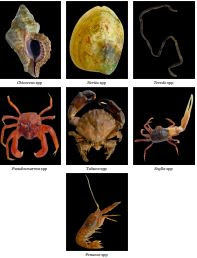
A study on benthic macroinvertebrates was conducted in the coastal areas of Barangay Old Kawayan in Tacloban City and Barangay Tangan in Carigara, Leyte, focusing on the species diversity within the sites’ mangrove ecosystems. The study employed quadrat and transect sampling methods, with two stations established at each site. Within each station, three transects were laid perpendicular to the shoreline to gather data. In Old Kawayan, 15 species and a total of 2,107 macrobenthic invertebrates were found, with the girdled horn snail (Cerithideosilla spp) being the most abundant species at 1,434 individuals. In contrast, Tangan Carigara recorded seven distinct species with a total count of 111 individuals, dominated by the telescope shell (Telescopium spp), which had 35 individuals. The study sites recorded members belonging to the Phylum Arthropoda (four different species) and Phylum Mollusca (eleven different species), with the latter showing a significantly high relative abundance of 93.73%. The community of Tangan Carigara exhibited higher species richness and evenness, making it a more diverse and balanced ecosystem, while the community of Old Kawayan showed higher species dominance. The contrasting factors between the two study sites include water salinity, the presence of a sandy substrate, and the specific mangrove species present. Understanding the population numbers of individuals in the study sites is crucial for gaining valuable insights into the conservation and management of mangrove ecosystems.

Submit your article to JBES Journal

Read moreEvaluating Sivanto Energy 85 EC Against Coelaenomenodera lameensis in Côte d’Ivoire Oil Palm Plantations | InformativeBD 

Introduction

Benthic macroinvertebrates, also known as "bottom-dwelling" macroinvertebrates, are small aquatic animals that can be seen with the naked eye and are larger than 0.5 millimeters (United States Environmental Protection Agency, 2022). These invertebrates include mostly insects as well as planarians, decapod crustaceans, mollusks, leeches, and oligochaetes (Jacobsen et al., 2008). Open intertidal areas have greater diversity, density, and species diversity than nearby mangrove forests (Rumisha et al., 2015). According to Kathiresan and Bingham (2001), mangrove forests are among the most productive ecosystems in the world, enriching coastal waters, producing commercial forest products, safeguarding coastlines, and supporting coastal fisheries. The mangrove ecosystem is home to an incredible variety of creatures, some of which are unique to these forests, including seagrasses, fish populations, barnacles, mollusks, shrimp, crabs, lobsters, jellyfish, tunicates, and gastropods (Wolf, 2012).

Understanding the structure and function of mangrove ecosystems requires knowledge of the species distribution, abundance, and diversity of mangrove benthic macroinvertebrate fauna, as well as their relationships to environmental conditions (Kumar and Khan, 2013). Macroinvertebrate metrics are useful tools for evaluating the health of the aquatic ecosystem and the quality of the water (Tampo et al., 2021). They are also essential for biomonitoring since macroinvertebrates live their entire lives in the ecosystem's bottom substrates, which include rocks, snags, sediment, and aquatic plants (Sengupta and Dalwani, 2008). Macroinvertebrates contribute to the structure and stability of ecosystem cycles such as productivity, natural organizations, nutrient and biogeochemical cycling, and stability (Bento et al., 2023). Factors other than geographic location are more significant in describing the distribution of macroinvertebrates within minimally disturbed watersheds. Significant variables include drainage area, water temperature, alkalinity, hardness, chloride, ammonia, total nitrogen, and total phosphorus for each macroinvertebrate stream class (Bellucci and Becker, 2011).

Barangay 102 Old Kawayan in Tacloban City and Barangay Tangnan in Carigara are coastal areas in Leyte, rich in mangrove ecosystems. These intertidal regions are valuable natural resources, offering numerous benefits to the environment, the community, and the economy through sustainable livelihood and ecological research. The unique ecosystems and abundant biodiversity of these barangays attract researchers interested in marine and coastal ecosystems. The high biodiversity in these areas supports various plant and animal species, contributing to environmental health, resilience, and the sustainability of local fisheries and tourism. This study focuses on the macroinvertebrates of Barangay Old Kawayan and Barangay Tangnan. To address potential degradation from human activities or climate change, these barangays can actively engage in the conservation and restoration of mangroves, thereby enhancing the resilience of these vital habitats.

This study aims to identify and analyze the diversity of macrobenthic invertebrate species in the mangrove ecosystems of Barangay Old Kawayan in Tacloban City and Barangay Tangnan in Carigara, Leyte. By conducting a comparative analysis of the study sites, we will identify the factors influencing the presence of different species. The primary focus will be on examining various ecological strategies, local habitat structures, scientific classifications, orders, and conservation efforts within the mangrove ecosystems at both locations. This research will serve as a preliminary assessment of macroinvertebrate species diversity in these local sites, highlighting the importance of understanding and preserving these valuable biological systems. Benthic macroinvertebrates, also known as "bottom-dwelling" macroinvertebrates, are small aquatic animals that can be seen with the naked eye and are larger than 0.5 millimeters (United States Environmental Protection Agency, 2022). These invertebrates include mostly insects as well as planarians, decapod crustaceans, mollusks, leeches, and oligochaetes (Jacobsen et al., 2008). Open intertidal areas have greater diversity, density, and species diversity than nearby mangrove forests (Rumisha et al., 2015). According to Kathiresan and Bingham (2001), mangrove forests are among the most productive ecosystems in the world, enriching coastal waters, producing commercial forest products, safeguarding coastlines, and supporting coastal fisheries. The mangrove ecosystem is home to an incredible variety of creatures, some of which are unique to these forests, including seagrasses, fish populations, barnacles, mollusks, shrimp, crabs, lobsters, jellyfish, tunicates, and gastropods (Wolf, 2012). Understanding the structure and function of mangrove ecosystems requires knowledge of the species distribution, abundance, and diversity of mangrove benthic macroinvertebrate fauna, as well as their relationships to environmental conditions (Kumar and Khan, 2013). Macroinvertebrate metrics are useful tools for evaluating the health of the aquatic ecosystem and the quality of the water (Tampo et al., 2021). They are also essential for biomonitoring since macroinvertebrates live their entire lives in the ecosystem's bottom substrates, which include rocks, snags, sediment, and aquatic plants (Sengupta and Dalwani, 2008). Macroinvertebrates contribute to the structure and stability of ecosystem cycles such as productivity, natural organizations, nutrient and biogeochemical cycling, and stability (Bento et al., 2023). Factors other than geographic location are more significant in describing the distribution of macroinvertebrates within minimally disturbed watersheds. Significant variables include drainage area, water temperature, alkalinity, hardness, chloride, ammonia, total nitrogen, and total phosphorus for each macroinvertebrate stream class (Bellucci and Becker, 2011). Barangay 102 Old Kawayan in Tacloban City and Barangay Tangnan in Carigara are coastal areas in Leyte, rich in mangrove ecosystems. These intertidal regions are valuable natural resources, offering numerous benefits to the environment, the community, and the economy through sustainable livelihood and ecological research. The unique ecosystems and abundant biodiversity of these barangays attract researchers interested in marine and coastal ecosystems. The high biodiversity in these areas supports various plant and animal species, contributing to environmental health, resilience, and the sustainability of local fisheries and tourism. This study focuses on the macroinvertebrates of Barangay Old Kawayan and Barangay Tangnan. To address potential degradation from human activities or climate change, these barangays can actively engage in the conservation and restoration of mangroves, thereby enhancing the resilience of these vital habitats. This study aims to identify and analyze the diversity of macrobenthic invertebrate species in the mangrove ecosystems of Barangay Old Kawayan in Tacloban City and Barangay Tangnan in Carigara, Leyte. By conducting a comparative analysis of the study sites, we will identify the factors influencing the presence of different species. The primary focus will be on examining various ecological strategies, local habitat structures, scientific classifications, orders, and conservation efforts within the mangrove ecosystems at both locations. This research will serve as a preliminary assessment of macroinvertebrate species diversity in these local sites, highlighting the importance of understanding and preserving these valuable biological systems.

Reference

Basyuni M. 2022. Mangrove biodiversity, conservation, and roles for livelihoods in Indonesia. In: Mangroves in the Changing Coastal Ecosystem (pp. 397-445). https://doi.org/10.1007/978-981-19-0519-3_16

Bellucci C, Becker M. 2011. Characteristics of macroinvertebrate and fish communities from 30 least disturbed small streams in Connecticut. Northeastern Naturalist 18(4), 411-444.

Bento M, Paula J, Bandeira S, Correia AM. 2023. Catching the drift of marine invertebrate diversity through digital repositories—A case study of the mangroves and seagrasses of Maputo Bay, Mozambique. Diversity 15(2), 242. https://doi.org/10.3390/d15020242

Dewiyanti IK, Sofyatuddin. 2012. Diversity of gastropods and bivalves in mangrove ecosystem rehabilitation areas in Aceh Besar and Banda Aceh districts, Indonesia.

Jacobsen D, Cressa C, Mathooko JM, Dudgeon D. 2008. Macroinvertebrates: composition, life histories and production.

Kaharudin LA, Wahidin LO. 2020. The diversity of molluscs in mangrove ecosystem of Kendari Bay. Journal of Biological Science and Education 2(2), 54-63.

Kathiresan K, Bingham BL. 2001. Biology of mangroves and mangrove ecosystems. Advances in Marine Biology 40, 81-251.

Krisanti M, Maknuun LLI, Anzani YM, Yuwono AS, Widyastuti R, Wardiatno Y, Wulandari D. 2020. A comparative study on the macroinvertebrates community in three rivers of Jawa Island, Indonesia. AACL Bioflux 13(2), 570-581.

Kumar PS, Khan AB. 2013. The distribution and diversity of benthic macroinvertebrate fauna in Pondicherry mangroves, India. Aquat Biosyst 9, 15. https://doi.org/10.1186/2046-9063-9-15

Rumisha C, Shukuru H, Lyimo J, Maganira J, Nehemia A. 2015. Benthic macroinvertebrate assemblages in mangroves and open intertidal areas on the Dar es Salaam coast, Tanzania. African Journal of Aquatic Science 40, 1-9. https://doi.org/10.2989/16085914.2015.1051504

Sengupta M, Dalwani R. 2008. Benthic invertebrates- A crucial tool in biomonitoring of lakes. Proceedings of Taal 2007: The 12th World Lake Conference, 95-98.

Tampo L, Kaboré I, Alhassan EH, Ouéda A, Bawa LM, Djaneye-Boundjou G. 2021. Benthic macroinvertebrates as ecological indicators: Their sensitivity to the water quality and human disturbances in a tropical river. Front Water 3, 662765. https://doi.org/10.3389/frwa.2021.662765

United States Environmental Protection Agency. 2022. Indicators: Benthic macroinvertebrates. https://www.epa.gov/national-aquatic-resource-surveys/indicators-benthic-macroinvertebrates#:~:text=Benthic%20(meaning%20%E2%80%9Cbottom%2Ddwellin,g,snails%2C%20worms%2C%20and%20beetles.

Wolf BM. 2012. Ecosystem in mangroves. University of Wisconsin-Stevens Point, 1-25.

Worm B, Barbier EB, Beaumont N, Duffy E, Folke C, Halpern BS, Jackson JBC, Lotze HK, Micheli F, Palumbi SR. 2006. Impacts of biodiversity loss on ocean ecosystem services. Science 314, 787-790

Zvonareva S, Kantor Y, Li X, Britayev T. 2015. Long-term monitoring of Gastropoda (Mollusca) fauna in planted mangroves in central Vietnam. Zoological Studies 54(39). 

Source Diversity of macrobenthic invertebrates in the mangrove ecosystem of Leyte, Philippines


Population Density of Blue-Tailed Bee-Eaters in Hanumanahalli Village, Karnataka | InformativeBD

Population density of Blue-tailed Bee-eater (Merops philippinus) birds in different zones of Hanumanahalli Village, Gangavathi Taluk, Karnataka, India

Krishna Kumar, from the institute of India.  And Dr. A. Shwetha, from the institute of India.  wrote a Research Article about, Population Density of Blue-Tailed Bee-Eaters in Hanumanahalli Village, Karnataka. Entitled, Population density of Blue-tailed Bee-eater (Merops philippinus) birds in different zones of Hanumanahalli Village, Gangavathi Taluk, Karnataka, India. This research paper published by the Journal of Biodiversity and Environmental Sciences (JBES). an open access scholarly research journal on Biodiversity. under the affiliation of the International Network For Natural Sciences | INNSpub. an open access multidisciplinary research journal publisher.

Abstract

This study investigates the population density of Blue-tailed bee-eater birds in different zones of Hanumanahalli village, Gangavathi Taluk. We chose this location due to its diverse ecosystems, making it suitable for both resident and migratory bird activities like breeding and nesting. The Blue-tailed bee-eater, a summer migratory bird, regularly visits the area to construct sand nests along riverbanks, benefiting from the presence of suitable loamy soil. Data collection occurred from January 2020 to December 2022, with weekly surveys conducted. The primary objective was to determine the Percentage of population density of Blue-tailed bee-eater birds in the different zones. The survey revealed distinct population pattern across the zones, with riverine areas, croplands, and urban areas having highest, optimum, and lowest percentages, respectively. The variations in population distribution are attributed to factors such as food availability (insects, especially bee-eaters), suitable loamy soil for nesting, and the need for protection from human-related disturbances in their habitats.

Submit your article to JBES Journal

Introduction

Our planet teems with a diverse array of organisms, ranging from tiny microorganisms like viruses and bacteria to magnificent macroorganisms such as plants and animals, forming the tapestry of biodiversity (Dhindsa and Saini, 1994; Hosetti, 2008).

Population density of Blue-tailed Bee-eater (Merops philippinus) birds in different zones of Hanumanahalli Village, Gangavathi Taluk, Karnataka, India

Among these, avifaunal diversity, which encompasses the variety of bird populations, plays a vital role in maintaining ecological equilibrium by enriching flora and fauna. Bird populations and ecosystem pollution share an intriguing relationship, as estimating bird densities offers insights into the abundance of other species within the ecosystem (Wilson and Comet, 1996; Blake, 2007; Hosetti, 2001).

Among the fascinating avian species, Merops philippinus, widely known as the Blue-tailed beeeater, stands out. These captivating birds belong to the Meropidae family and are renowned for their vivid plumage and unique feeding habits. Found across various regions in Asia, the Blue-tailed beeeater is a migratory wonder, embarking on seasonal journeys in response to changing environmental conditions (Inskipp et al., 1995).

Population density of Blue-tailed Bee-eater (Merops philippinus) birds in different zones of Hanumanahalli Village, Gangavathi Taluk, Karnataka, India

Their diet primarily consists of insects, particularly bees, wasps, and other flying insects. Breeding seasons for these bee-eaters vary across their range, and they exhibit a remarkable nesting behavior. Creating their nests through burrowing into sandy or loamy soil banks, typically in proximity to water sources, these birds exhibit a preference for colonial nesting behavior, assembling into vibrant and interactive breeding colonies. 

As they embark on their migratory journeys, these enchanting avian migrants often grace the study area, completing their breeding cycle within this locale.

This inquiry unveils noteworthy insights into the population density trends of Blue-tailed Bee-eater birds across various zones within Hanumanahalli Village, located in Gangavathi Taluk, within the state of Karnataka

Reference

Ali S. 2002. The Book of Indian Birds XIII ed., Oxford University Press, Mumbai.

Bibby CJ, Jones M, Marden S. 1998. Expedition Field Techniques. Bird Surveys, Royal Geographical Society, London.

Blake JG. 2007. Neotropical Forest Bird Communities: A Comparison of Species Richness and Composition at Local and Regional Scales. Condor 109, p. 237-255.

Crump ML, Scott NJ. 1994. Visual encounters surveys. In: Measuring and Monitoring Biological Diversity: Standard Methods for Amphibians(eds., Heyer, W. R., Donnelly, M.A., Mc Diarmid, R. W., Hayek, L. C. and M. S. Foster), Washington: Smithsonian Institution Press p. 84-92.

Dhindsa MS, Saini HK. 1994. Agricultural ornithology: An Indian perspective, Journal of Biosciences 19, p. 391-402.

Gaston AJ. 1975. Methods for estimating bird populations. J. Bombay Nat. Hist. Soc 72, p. 271-283.

Gibbons DW, Hill DA, Sutherland WJ. 1996. Birds. In: Ecological Census Techniques (Sutherland, W.J. ed.), Cambridge, Cambridge University Press p. 227-259.

Grimmett R, Inskipp C, Inskipp T. 2011. Birds of the Indian Subcontinent. II ed., Oxford University Press, India.

Hosetti BB. 2001. Glimpses of Biodiversity, Daya Publishing House, Delhi. II ed., p. 78-90

Hosetti BB. 2003. Wildlife Management in India, II ed., Pointer Publishers, Jaipur I ed., p. 21-28.

Hosetti BB. 2008. Concepts in Wildlife Managements, III ed., Daya Publishing House, Delhi.

Hughes JB, Daily GC, Ehrlich PR. 1997. Population diversity: its extent and extinction. Science 278, p. 689-692.

Inskipp C, Inskipp T. 1995. Birds of the Indian Subcontinent: An Overview, Sanctuary Asia 25(5), p. 16-27.

Joshi PS. 2014. Diversity and Population Dynamics of Ophidian Fauna from Buldhana District, Maharashtra (India). Ph.D., Thesis, SGBAU, Amravati. p. 25-38.

Manley PN, Horne BV, Roth JK, Zielinski WJ, McKenzie MM, Weller TJ, Weckerly FW, Vojta C. 2005. Multiple species inventory and monitoring technical guide. Version 1.0 (Pre-print), USDA Forest Service 1-193.

Rajashekara S, Venkatesha MG. 2010. The diversity and abundance of water birds in lakes of Bangalore city, Karnataka, India. Biosystematica 4(2), p. 63-73.

Simeone A, Araya MB, Bernal M, Diebold EN, Grzybowski K, Michaels M, Teare JA, Wallace RS, Willis MJ. 2002. Oceanographic and climatic factors influencing breeding and colony attendance patterns of Humboldt Penguins Spheniscushumboldti in central Chile. Marine Ecology 227, p. 43-50.

Sinha RK, Dubey M, Tripathi RD, Kumar A, Tripathi P, Dwivedi S. 2010. India as a Mega-diversity Nation. Archives of Environ News-Newsletter of ISEB India 16(4), p. 14-19.

Sutherland WJ. 2001. The Conservation Hand Book: Research, Management and Policy. Blackwell Science Ltd., U.K.

Turner WR. 2003. City-wise biological monitoring as a tool for ecology and conservation in urban landscapes: The Case of the Tucson Bird Count. Landscape and Urban Planning 65, p. 149-166.

Wanjari PD. 2012. Avifaunal diversity of Nagpur City, MS, India. Bionano Frontier 5(2-I), p. 124-126.

Wilson MF, Comet TA. 1996. Bird communities of northern forests: Patterns of diversity and abundance. The Condor 98(2), p. 337-349.

SourcePopulation density of Blue-tailed Bee-eater (Merops philippinus) birds in different zones of Hanumanahalli Village, Gangavathi Taluk, Karnataka, India